How Fast Can Pest Control Services Solve an Infestation?
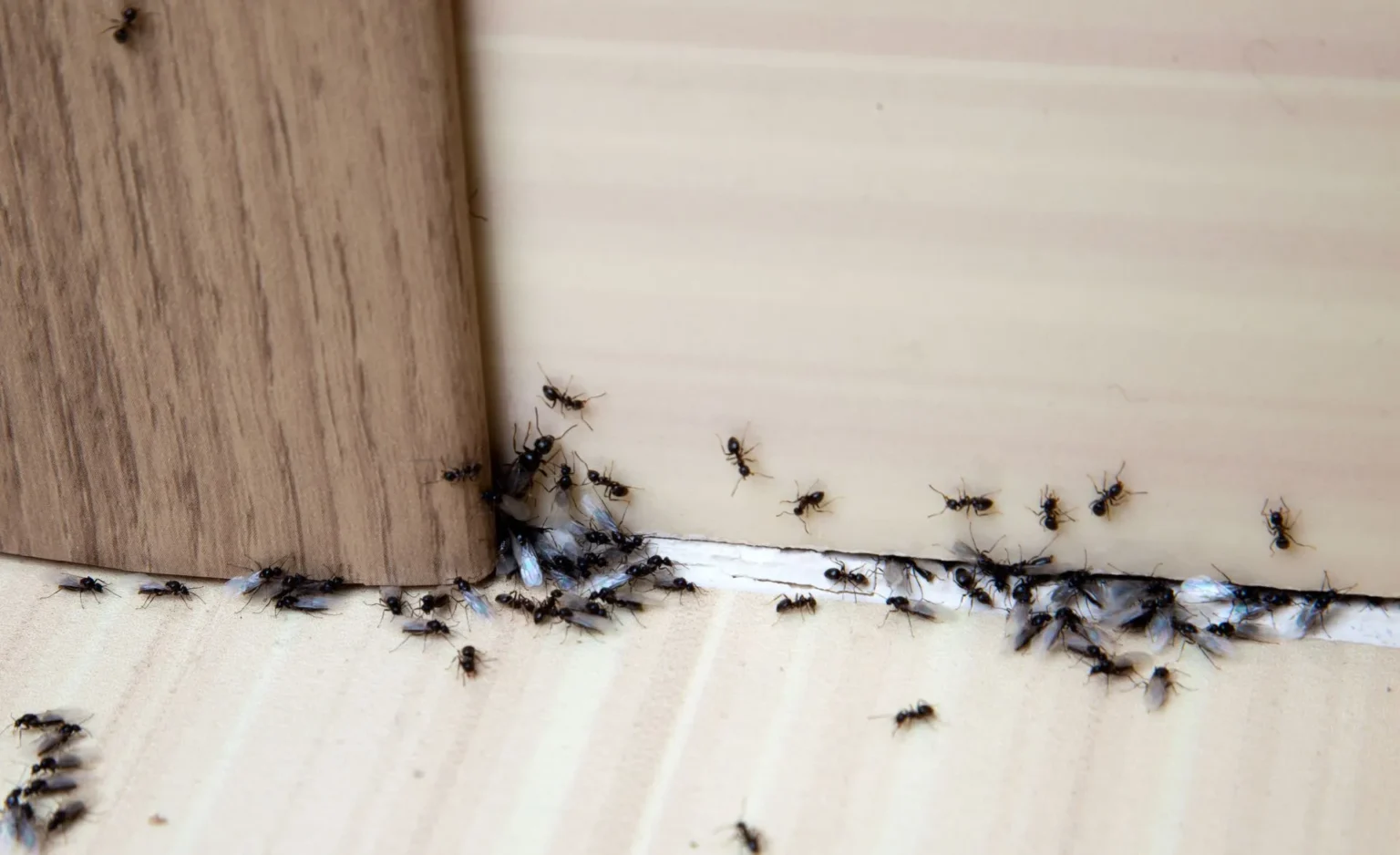
The honest answer is that it depends on what is living in the house, how long it has been there, and what conditions are helping it survive. Some infestations can be brought under control in a single visit. Others need several treatments over a few weeks, and a few stubborn cases can take months to Pest Control Services fully resolve. When people call Pest Control Services, they usually want one thing above all else: speed. They want the scratching in the wall gone, the ants off the counter, the bed bugs out of the mattress, and the roaches out of the kitchen.
Speed matters, but so does realism.
A good technician can often tell within minutes whether a problem is likely to be quick, moderate, or prolonged. The giveaway is not just the pest itself. It is the level of activity, the access points, the amount of clutter, the moisture issues, the construction of the building, and whether neighboring units are also affected. A few carpenter ants trailing in from a window frame are one kind of job. German cockroaches established behind appliances in a warm apartment building are another.
People are often surprised by how much of the timeline is biological. Pests breed on their own schedule. Eggs hatch when they hatch. Rodents avoid new traps until they feel safe enough to approach. Bed bugs can hide in places no spray reaches directly. Even the best product cannot compress every life cycle into one afternoon.
The difference between control and complete elimination
One of the biggest misunderstandings in this business is the difference between immediate relief and final resolution. They are not the same.
You can often reduce visible pest activity very quickly. A roach flush-out treatment, an exterior wasp nest removal, or a rodent trapping program can produce visible results in a day or two. That early progress is encouraging, but it does not always mean the infestation is finished. What people notice first is usually the adults. What they do not see are the eggs, the hidden harborage sites, or the route the pests used to get in.
That is why experienced Pest Control Services rarely promise instant eradication across the board. They can usually promise a faster drop in activity than a homeowner could manage alone. They can also build a treatment plan that closes the loop, meaning it addresses both current insects or rodents and the reason they were able to establish themselves in the first place.
A practical way to think about timing is this: control starts when treatment begins, but elimination is confirmed only after the pest no longer appears through at least one full risk cycle. For some pests that is a week or two. For others, it is much longer.
What changes the timeline most
Two homes can have the same pest and completely different outcomes. The fastest results happen when the infestation is caught early and the conditions favor treatment. Delays happen when access is poor, reproduction is heavy, or the environment keeps supporting the pest.
These are usually the biggest drivers:
- Pest species and breeding rate
- Size and age of the infestation
- Sanitation, clutter, and moisture conditions
- Structural entry points and hiding places
- Cooperation from occupants, landlords, or neighbors
Each one can add days or weeks. German cockroaches, for example, breed quickly and hide in tiny gaps around refrigerators, dishwashers, and wall voids. If food residue, grease, and water are abundant, treatments work more slowly because the roaches have plenty of competing resources. By contrast, a localized paper wasp nest under an eave is often handled in one service call with little follow-up.
Shared housing changes everything. In a detached home, the technician may only need to solve one environment. In a duplex or apartment building, pests can move from unit to unit. I have seen beautifully treated apartments get reinfested because the neighboring kitchen wall was alive with roaches and no one had permission to enter that unit. In those cases, the limitation is not the product. It is access and coordination.
How fast common infestations are typically solved
Timelines vary by region and building type, but some patterns hold up consistently.
Ants
Most common ant problems improve quickly, often within a few days to two weeks, if the colony is properly targeted. The key is identifying whether the ants are nesting indoors or simply foraging inside from an outdoor colony. Pavement ants and odorous house ants are common examples where baiting can work well, but it requires patience. People often sabotage the process by spraying every visible ant. That kills workers, but it can also disrupt the bait transfer that would have reached deeper into the colony.
Carpenter ants deserve more caution. If they are nesting in damp wood inside the structure, the treatment timeline may be moderate rather than fast. Removing the moisture source and damaged wood is often part of the fix. If that repair is delayed, the ant issue can drag on.
Cockroaches
Cockroaches are usually not a one-visit problem, especially German cockroaches. You may see a sharp drop in activity after the first treatment, but the full job often takes several visits over three to eight weeks, and heavy infestations can require longer. Egg cases are one reason. Another is harborages spread through cabinets, appliance motors, wall voids, and cracks around plumbing.
When clients ask why roaches are still visible after treatment, the explanation is usually straightforward. Some insects were exposed and are now dying. Others are displaced from hiding spots and become visible before the population crashes. With good sanitation and proper follow-up, the activity should trend down, not sideways. If it stays flat, there is usually a condition that has not been corrected.
Bed bugs
Bed bugs are among the slowest and most detail-sensitive infestations to solve. Even when the treatment is done well, most programs require multiple visits over several weeks. Depending on the method used, the size of the infestation, and the amount of clutter, full resolution can take anywhere from a few weeks to two or three months. In severe cases, longer.
Why so long? Bed bugs are excellent at staying hidden. They tuck into mattress seams, bed frames, baseboards, picture frames, electrical outlets, and upholstered furniture. Some treatments kill on contact but do not penetrate every crack. Heat can be highly effective when done properly, but preparation must be meticulous and success depends on reaching lethal temperatures in all hiding areas. One missed population in a recliner or behind a baseboard can restart the problem.
Rodents
Mice and rats can sometimes be brought under control within one to three weeks, but permanent resolution depends heavily on exclusion. Traps and bait can reduce numbers fast. If the holes, gaps, and utility penetrations remain open, new rodents can replace the ones removed.
This is where homeowners often confuse successful treatment with solved structure. A technician may clear the current mice, but if there is a thumb-sized gap under a garage side door or a pipe chase into the wall cavity, the property stays vulnerable. Good Pest Control Services treat removal and exclusion as one job, not two separate ideas.
Rats tend to take longer than mice because they are more cautious. In the field, trap shyness and neophobia are real. Sometimes the first stage is simply letting devices sit unset or minimally intrusive so the rodents get used to them. That can feel slow to the client, but it often leads to better capture rates and less wasted effort.
Termites
Termite timelines are tricky because people often discover them late. A liquid soil treatment or baiting system can begin protecting the structure quickly, but confirming that the colony has been eliminated may take months. Subterranean termites work out of sight. The goal is not only to stop active feeding at the house but to ensure the route from the colony to the structure has been broken or the colony itself has collapsed.
This is one of those cases where a company should be careful with language. If someone says your termite issue will be fully gone in a weekend, ask what they mean by "gone." Protection can start right away. Verification takes longer.
Fleas
Fleas are frustrating because adults are only part of the picture. Eggs, larvae, and pupae can survive in carpet, pet bedding, and cracks in flooring. Even after treatment, emerging adults may continue appearing for days or a few weeks. A realistic timeline is often two to six weeks, sometimes longer if the home has heavy carpeting or untreated pets.
Vacuuming and coordinated pet treatment matter enormously here. Without them, the house treatment does not finish the job.
Wasps, hornets, and other stinging insects
These are often among the fastest issues to handle. A visible nest on an eave, shed, or bush can frequently be neutralized in a single visit, with immediate reduction in risk. The exceptions are concealed nests inside wall voids or attic spaces. In those cases, removal of the nest material and repair of the access point may be necessary to prevent recurring activity or odor problems.
Why one visit sometimes works, and often does not
The jobs that resolve in one visit tend to have three features. First, the pest population is localized. Second, the source is known. Third, there is little or no ongoing access to food, water, or entry points. A small cluster of ants around one window, a single wasp nest, or a few pantry moths traced to one bag of dry goods fit that pattern.
The jobs that need a longer runway usually have hidden populations, reproduction already underway, or structural support from the building itself. A mouse family in an insulated crawl space, roaches feeding behind commercial kitchen equipment, or bed bugs dispersed through a furnished bedroom are not surface-level problems. They are habitat problems.
This is why the inspection matters so much. Experienced technicians do not just ask where the pest was seen. They look for what makes the site livable to that pest. Heat, moisture, harborages, gaps, grease, cardboard, pet food, standing water, and poor airflow all tell part of the story. The treatment plan is only as good as that first diagnosis.
What homeowners can do to speed things up
Clients have more influence over the timeline than they often realize. Not every infestation is caused by housekeeping issues, and many very clean homes still get pests. Still, once a problem exists, conditions inside the home can either help the treatment or fight against it.
The quickest gains usually come from a few practical actions:
- Follow prep instructions exactly, especially for bed bugs and roaches
- Fix leaks and reduce standing water
- Store food in sealed containers and clean crumbs and grease promptly
- Avoid using over-the-counter sprays unless the technician says they are compatible
- Report follow-up sightings with details, not just frustration
That last point matters. "I saw one roach" is less useful than "I saw two small roaches under the sink at 6 a.m. After the dishwasher ran." Details help the technician track hot zones and life stages. In one apartment kitchen I worked in years ago, the resident kept saying the treatment was not working because she still saw bugs. Once she started noting when and where, a pattern emerged: nearly all sightings were around the warm side of the refrigerator compressor after midnight. That narrowed the focus, and the infestation broke much faster.
The role of follow-up visits
Follow-up is not a sign that the first treatment failed. Often it is part of the design.
For roaches, follow-up may involve refreshing bait placements, applying dust to previously inaccessible voids, and checking monitors to see whether the population is shrinking or simply shifting locations. For rodents, it may mean adjusting trap placement after seeing rub marks and droppings in new areas. For bed bugs, it is essential. The technician needs to confirm activity, retreat risk zones, and evaluate whether the infestation has spread to adjoining rooms or furniture.
The best Pest Control Services build follow-up into their communication from the start. That keeps expectations grounded. It also reduces the temptation to overtreat. More chemical is not always better. In many cases, precision, timing, and environmental correction outperform aggressive blanket applications.
When "fast" can backfire
There is a legitimate reason some companies avoid making dramatic promises. Rushing treatment can create its own problems.
A hasty mouse job may rely on poison alone without sealing entry points, which can leave carcasses in inaccessible walls and do little to prevent new mice. A fast roach spray can scatter insects deeper into wall voids while leaving the underlying infestation intact. A cheap bed bug treatment that ignores preparation and follow-up often turns into the most expensive route because the infestation rebounds.
Speed should come from accurate diagnosis and smart execution, not from skipping steps. Anyone hiring a provider should listen closely to how they talk about the process. If the company asks detailed questions about where the activity occurs, how long it has been happening, and what conditions are present, that is usually a good sign. If they guarantee instant eradication for every pest in every situation, caution is warranted.
Signs the infestation is resolving on schedule
Not every treatment produces a dramatic overnight change. Some pests taper off in a way that is less obvious but still healthy. What you want to see is a downward trend.
For ants, trails become thinner and less consistent. For roaches, monitor counts drop and sightings shift from frequent to occasional. For rodents, fresh droppings stop appearing, trap activity slows, and nighttime noises fade. For bed bugs, bites diminish, live sightings become rare, and interceptors or monitors show fewer captures over time.
There can also be a short period where activity seems more visible immediately after treatment. That does not automatically mean the service failed. Disturbed pests move. The question is what happens next. If the number of sightings falls over several days or weeks, that is normal. If it stays high or spreads into new zones, the plan needs to be reassessed.
When the timeline means something is wrong
Sometimes a job should have improved by now, and it has not. That is worth addressing directly.
A stalled timeline usually points to one of four issues: the pest was misidentified, the infestation source was missed, occupant cooperation has been inconsistent, or a neighboring or exterior source is reseeding the property. I have also seen building defects play a large role. Broken crawl-space vents, hidden plumbing leaks, inaccessible wall voids, and unsealed utility penetrations can keep feeding the problem in ways the homeowner never notices.
This is where transparency matters. A good technician should be able to explain why the timeline has stretched and what needs to change. Sometimes that means a different product or method. Sometimes it means involving a contractor, property manager, or neighboring unit. Pest control works best when it is treated as applied problem-solving rather than a spray-and-pray service.
What to ask before hiring Pest Control Services
The right questions can save time before the first appointment even begins. Ask how they diagnose the infestation, whether follow-up is included, what kind of prep is expected from you, and what a realistic timeline looks like for your specific pest. Ask what conditions in the property may slow results. Ask how they will measure progress.
The best answers are specific. They should sound like someone who has seen variations of the problem many times before, not someone reciting a script. A seasoned provider will usually give a range instead of a hard promise. They might say that a moderate German roach infestation in a single-family home often improves significantly within two weeks but usually needs more than one visit. That kind of answer is much more useful than "we'll handle it fast."
So, how fast can it really be solved?
If the infestation is small, localized, and caught early, Pest Control Services can sometimes solve it in days. If it involves fast-breeding insects, hidden harborages, multiple rooms, or structural conditions that support the pest, the process is more likely to take several weeks. For termites and serious bed bug cases, months is not unusual.
The better question is not just how fast the pests can be knocked down. It is how fast the problem can be solved without leaving the door open for a repeat. That is where professional work earns its value. Real pest control is not just about killing what you see. It is about understanding why it is there, interrupting its life cycle, and making the property less hospitable after the treatment truck leaves. When that is done well, the timeline is not just quicker. It is more durable.
Affordable Pest Solutions LLC
Phone number: +19732299547
FAQ About Pest Control Services
How much does pest control charge?
For a standard 1,500-square-foot home, professional pest control charges generally average $100 to $300 for an initial visit, with ongoing monthly services running $40 to $75 per visit and one-time emergency exterminations costing $100 to $600, depending heavily on the specific pest and the severity of the infestation.
What is the hardest pest to get rid of?
Bed bugs are widely considered the hardest household pest to get rid of, closely followed by German cockroaches and subterranean termites.
What is included in a pest control service?
A standard pest control service includes a property inspection, targeted treatments, and prevention advice. It typically covers common pests like ants, spiders, and cockroaches, using sprays, baits, or traps.